


Powering Remote Communities with the HNP Power Mini Hydropower Turbine
- HNP Power

- Oct 5, 2025
- 4 min read
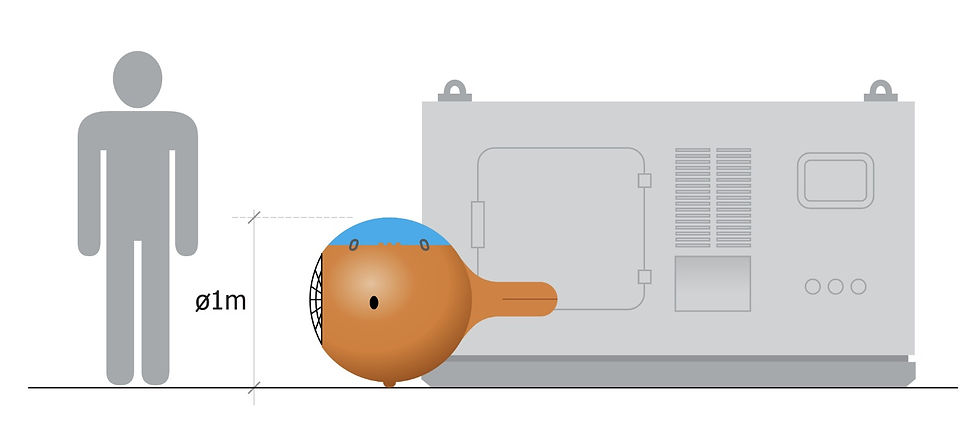
Access to energy remains one of the most significant challenges for remote and off-grid communities across Canada. Many small settlements and Indigenous regions are not connected to the national electricity grid, forcing them to rely on diesel generators for power. This dependence raises living costs, creates pollution, and limits development opportunities. Transporting fuel to isolated areas by air or over seasonal ice roads is expensive, logistically complex, and environmentally harmful.
HNP Power offers a new solution through its mini-hydropower turbine, a compact device that transforms the natural movement of water into electricity. The system operates continuously without external energy input, providing a stable power supply for homes, schools, and small businesses. Designed to function even in low-velocity rivers or shallow creeks, the turbine brings renewable energy directly to communities that need it most. It combines simplicity with advanced engineering to promote self-sufficiency, sustainability, and cleaner living conditions.
The Energy Challenges in Remote and Off-Grid Communities
Remote Canadian communities, particularly in the northern regions, face serious energy difficulties. Most of them depend on diesel-powered generators that require constant maintenance and uninterrupted fuel deliveries. Every barrel of diesel must be transported long distances—often by truck, barge, or airplane—adding substantial costs and creating high environmental risks. Spills, soil contamination, and greenhouse gas emissions are common side effects of this approach.
Beyond the environmental concerns, diesel dependency creates economic pressure. Energy prices in remote areas are among the highest in the country, limiting investments in education, healthcare, and local businesses. Power outages caused by generator failures can disrupt essential services and pose safety risks during harsh winters. Over time, this cycle of dependence weakens community resilience and slows down development.
For these reasons, a clean, self-sustaining, and affordable energy source is not only desirable but essential. Renewable technologies such as small-scale hydropower can bridge the gap between isolation and progress—especially when designed to be easy to deploy, cost-effective, and adaptable to local conditions.
How the HNP Power Mini Hydropower Turbine Brings Change
The HNP Power mini-hydropower turbine represents a new generation of decentralized energy systems. Unlike large hydropower plants that require dams or permanent infrastructure, this turbine is lightweight, portable, and efficient. It uses a hydraulic ram pump combined with a Kaplan radial-axial low-flow turbine to capture energy from natural water movement. This design allows the system to operate in small rivers, streams, and even low-velocity water environments.
Installation is simple and does not require professional assistance. The device can be anchored near a riverbank or connected through a pipe that channels water flow to the turbine inlet. It generates between 0.6 and 1.9 kilowatts per hour—sufficient for lighting, refrigeration, communication equipment, and other essential household needs. Multiple turbines can be linked together, forming a “battery” system to power larger facilities or entire neighborhoods.
Built from durable, weather-resistant materials and featuring an automatic positioning system, the turbine operates reliably in all seasons, even under freezing conditions. With zero emissions, no noise, and no impact on aquatic ecosystems, the HNP Power system offers a quiet and sustainable path toward true energy independence.
Social and Environmental Benefits of Sustainable Hydropower
Transitioning from diesel fuel to renewable hydropower has an immediate positive effect on both people and the environment. The HNP Power mini-hydropower turbine eliminates the noise and fumes that accompany diesel generators, creating a cleaner and quieter atmosphere for remote communities. It also prevents the risk of spills and soil contamination, which often occur during the transportation and storage of liquid fuels in challenging northern conditions.
From a social perspective, renewable energy introduces stability and opportunity. Reliable access to electricity allows local businesses, schools, and healthcare centers to operate more efficiently. It enables the use of digital tools for education and communication, helping residents connect with broader markets and services. As communities become less dependent on imported fuel, they can redirect resources toward training, infrastructure, and social programs that improve quality of life. This shift builds a stronger sense of independence and shared responsibility toward the environment.
On a larger scale, every installation of an HNP Power turbine contributes to reducing Canada’s overall carbon footprint. It shows how localized, small-scale solutions can complement national sustainability goals and inspire broader environmental action.
Building a Self-Sufficient Future with HNP Power
The concept behind HNP Power extends beyond electricity generation—it represents a model for self-sufficiency and empowerment. Rural and off-grid communities often face unique economic and geographic challenges, but access to dependable energy can redefine their future. By using nearby rivers and creeks as renewable energy sources, communities can stabilize costs, create local jobs, and strengthen long-term resilience.
HNP Power’s technology encourages collaboration between engineers, local governments, and residents. It enables small-scale energy projects that grow from within the community instead of being imposed from outside. Each turbine installed becomes part of a network of innovation that supports clean energy access, promotes environmental stewardship, and drives local skill development.
The future of rural power generation lies in solutions that balance practicality with sustainability. The HNP Power mini-hydropower turbine demonstrates that renewable energy can be both accessible and effective—turning natural resources into steady progress for generations to come.


Comments