


Powering Remote Communities with River Flow: A Smarter Alternative to Diesel
- HNP Power

- Apr 16, 2025
- 2 min read

Across Canada’s vast northern and rural regions, energy access remains a critical issue. More than 6 million Canadians live in areas where reliable power is either unavailable or prohibitively expensive. For decades, these communities have depended on diesel generators—a solution plagued by high costs, pollution, noise, and fuel logistics. HNP Power offers a cleaner, quieter alternative: a portable mini hydraulic turbine that transforms river and creek kinetic energy into steady, off-grid electricity.
Why Diesel Is Failing Remote Regions
In off-grid locations, electricity costs can be more than double that in urban centers. Diesel generators require fuel deliveries on winter roads, barges, or aircraft. Each method carries risks of fuel spills, environmental damage, and price instability. Moreover, the systems themselves are noisy, emit carbon, and degrade air quality, directly affecting residents' health and comfort.
Most critically, diesel power systems tether these communities to external supply chains. One failed delivery or rising global fuel prices can disrupt entire villages. In an age where energy independence is not possible, this model is both outdated and unsustainable.
The Mini Hydraulic Turbine: Clean Power from Local Rivers
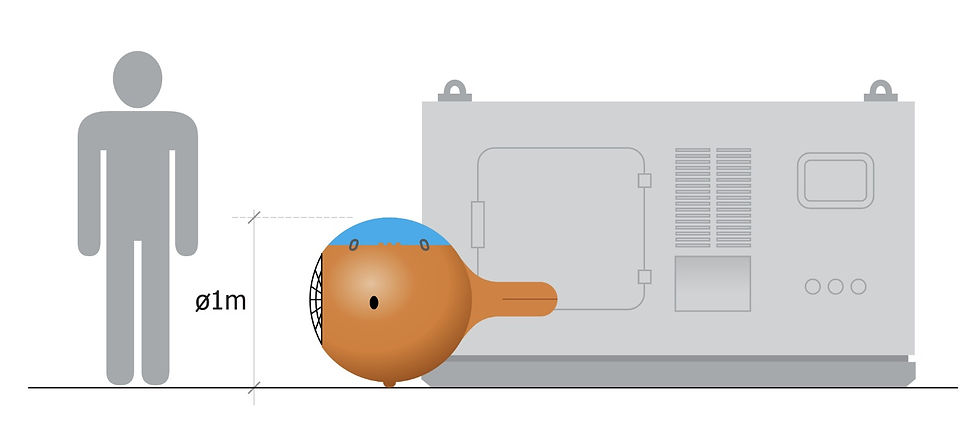
The HNP Power turbine is a compact, all-in-one energy system designed for simplicity and sustainability. It captures the natural movement of water—whether from a stream, a low-flow river, or a man-made water channel, and uses it to generate electricity without any fuel, emissions, or infrastructure.
This is made possible by combining two principles: a hydraulic ram pump and a radial-axial turbine similar to the Kaplan design. The unit uses water pressure and inertia to create enough torque to generate electricity. It works year-round, even in freezing conditions, and needs no professional installation.
With a power output of 0.6 to 1.9 kilowatts per hour, a single unit is enough to support the basic energy needs of a household—lighting, refrigeration, device charging, and communications. For larger needs, multiple turbines can be deployed in tandem, supporting schools, clinics, or small businesses in isolated regions.
Designed for Real-World Conditions
What makes this turbine stand out is its adaptability. It doesn’t require dams, large waterfalls, or construction permits. The system self-positions using a dual-anchor mechanism and tension sensors, adjusting its location within the river automatically for optimal performance.
The casing is made of weather-resistant polymer and built to withstand Canadian winters. It functions even when tilted or when the water levels fluctuate seasonally. This level of flexibility makes it ideal for rural and Indigenous communities, as well as emergency and disaster relief operations.
Lasting Benefits for People and the Planet
Switching from diesel to river-powered generation has wide-reaching effects. Communities gain energy independence, save on fuel costs, and reduce their environmental footprint. Emissions and noise improve health outcomes and protect natural ecosystems. In economic terms, saved funds can be reinvested into housing, education, or infrastructure.
Moreover, the local setup and upkeep of these turbines can create skilled jobs, offering a new economic avenue for communities traditionally limited by geography and access. Over time, this fosters resilience, self-reliance, and a cleaner future for Canada’s remote populations.


Comments